
Maybe your knee locked up during a pickup basketball game, or it has been catching and swelling on your walks along the lakefront. When knee pain lingers, you want to know what is happening inside the joint and what fixing it involves. Knee arthroscopy is one of the most common ways orthopaedic surgeons in Milwaukee diagnose and treat these problems. Here is what the process looks like, from your first visit through recovery.
Step One: Getting an Accurate Diagnosis
Every treatment plan starts with understanding the cause of your symptoms. At your first visit, we ask how the injury happened, which movements hurt and whether your knee swells, clicks, locks or gives way. A hands on examination checks motion, stability and tenderness along the joint.
Imaging often comes next. Standard imaging shows the bones, while an MRI can reveal soft tissue such as cartilage, ligaments and the meniscus. Common findings include a meniscus tear, cartilage injuries and loose bodies, which are fragments of bone or cartilage floating in the joint.1,2
Step Two: Deciding Whether Arthroscopy Fits Your Situation
Not every knee problem needs surgery. Many injuries improve with rest, ice, physical therapy and activity changes.2 Arthroscopy becomes part of the conversation when symptoms continue after nonsurgical care, or when the problem is mechanical, such as a torn flap of meniscus that catches in the joint.
Because your goals shape the plan, we talk through how you use your knee at work, at home and in sport. A plan that suits a weekend runner may look different from one for a high school athlete or someone with a physically demanding job.
Step Three: What Happens During Knee Arthroscopy
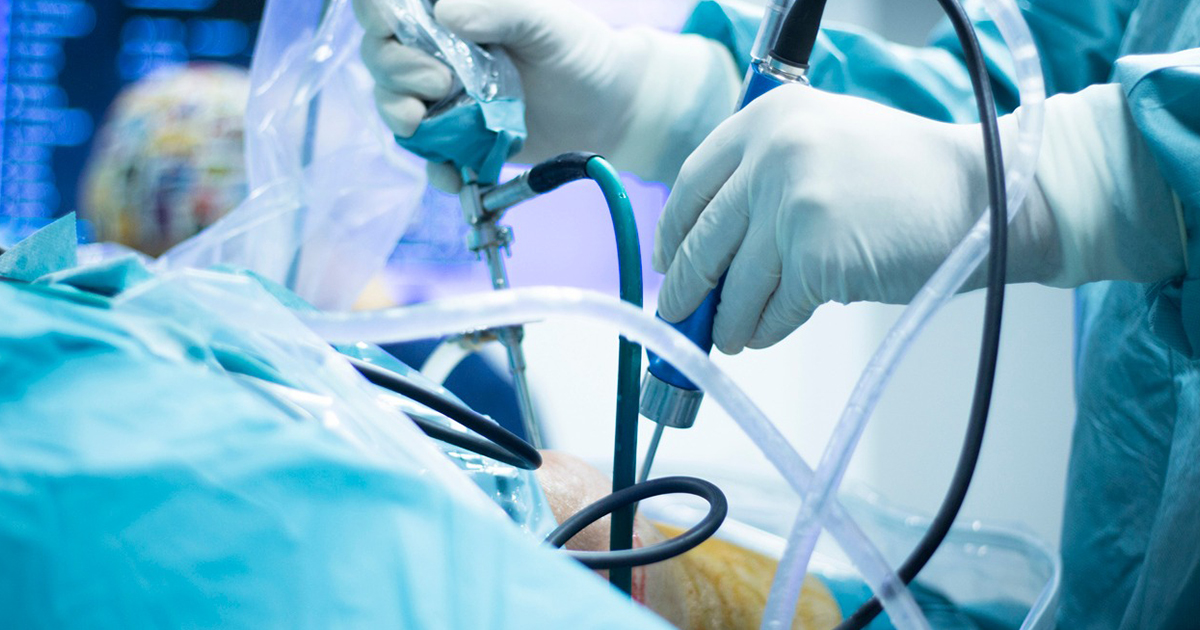
During knee arthroscopy, a small camera called an arthroscope is inserted through a tiny incision. The camera projects images onto a monitor, and slim instruments placed through other small incisions are used to treat the problem.1 Depending on what is found, the procedure may include:
- Meniscus tear repair, which stitches torn tissue so it can heal
- Partial meniscectomy, which trims away a damaged portion that cannot be repaired
- Removal of loose fragments or smoothing of damaged cartilage
- ACL reconstruction, performed with arthroscopic assistance when the ligament is torn3
Knee arthroscopy is commonly performed as an outpatient procedure, so many patients go home the same day.1 Our first visit guide explains what to bring and what to expect at your initial appointment.
Step Four: Recovery and Rehabilitation
The First Few Days
Expect some swelling and soreness. Keeping your leg elevated, using ice and following your pain control plan can help. You may use crutches for a period of time, and your dressing and incisions need to stay clean and dry.1
Physical Therapy and Return to Activity
Exercises to restore motion and strength are a key part of healing. The timeline varies widely by procedure. A partial meniscectomy often allows a quicker return than a meniscus repair or ligament reconstruction, which require more protection while tissue heals.1,3 We adjust your plan at each visit based on how your knee is responding.
Follow up visits let us check your incisions, review your motion and strength, and decide when you are ready for the next phase. Returning to sport or heavy work too soon can strain healing tissue, so progress is guided by how your knee functions rather than by the calendar alone.
Knee Care Close to Home in Milwaukee
When you see us, your care is guided by fellowship training in orthopaedic sports medicine at the University of South Florida and Florida Orthopaedic Institute, along with orthopaedic surgery residency at the Medical College of Wisconsin. Our practice locations in Glendale, Wauwatosa and Cedarburg serve patients throughout the Milwaukee area, and the Orthopaedic Hospital of Wisconsin in Glendale is among them.
Frequently Asked Questions About Knee Arthroscopy
How long does it take to recover from knee arthroscopy?
Recovery depends on what is done during your procedure. Some people return to light activity within a few weeks after trimming a meniscus, while repairs and reconstructions usually take several months.
Will you be awake during knee arthroscopy?
Most patients receive anesthesia so they are comfortable and unaware during the procedure. The type of anesthesia is discussed with you before surgery based on your health and preferences.
Where can you get knee arthroscopy in Milwaukee?
You can be evaluated for knee arthroscopy at our Glendale office in the Milwaukee area, with additional offices in Wauwatosa and Cedarburg. Your first visit focuses on diagnosis before any surgical decision is made.
Can you walk after knee arthroscopy?
Many people can walk soon after knee arthroscopy, sometimes with crutches at first. How much weight you can put on your leg depends on the procedure, especially if tissue was repaired.
Does an MRI always show what is wrong with your knee?
An MRI is very helpful, but it does not always show everything. Arthroscopy lets the inside of your knee be viewed directly, which can confirm or clarify what imaging suggests.
Start Your Knee Recovery in Milwaukee
Knee pain that keeps returning deserves a clear answer and a plan that fits your life. If your knee is catching, swelling or holding you back, you can request a knee appointment at one of our Milwaukee area offices and take the first step toward moving comfortably again.
References
- American Academy of Orthopaedic Surgeons. Knee Arthroscopy. OrthoInfo. https://orthoinfo.aaos.org/en/treatment/knee-arthroscopy/
- American Academy of Orthopaedic Surgeons. Meniscus Tears. OrthoInfo. https://orthoinfo.aaos.org/en/diseases--conditions/meniscus-tears/
- American Academy of Orthopaedic Surgeons. Anterior Cruciate Ligament (ACL) Injuries. OrthoInfo. https://orthoinfo.aaos.org/en/diseases--conditions/anterior-cruciate-ligament-acl-injuries/
Jake Bauwens, MD, is an orthopedic surgeon with Wisconsin Bone and Joint who focuses on sports medicine and injuries of the knee and shoulder. Dr. Bauwens earned an undergraduate degree at the University of Wisconsin Madison and a medical degree at Rush Medical College. Dr. Bauwens then completed an internship and orthopedic residency at the Medical College of Wisconsin, followed by a sports medicine fellowship at the University of South Florida and Florida Orthopaedic Institute. Dr. Bauwens sees patients at offices in Glendale, Wauwatosa and Cedarburg, serving communities across the Milwaukee area.