

Shoulder
Anatomy
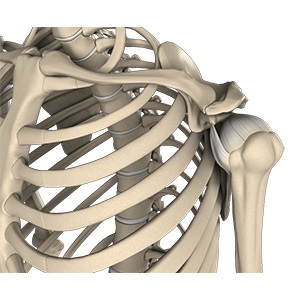
The shoulder is the most flexible joint in the body that enables a wide range of movements including forward flexion, abduction, adduction, external rotation, internal rotation, and 360-degree circumduction. Thus, the shoulder joint is considered the most insecure joint of the body, but the support of ligaments, muscles, and tendons function to provide the required stability.
Conditions
- Rotator Cuff Tear
- Shoulder Instability
- Arthritis of the Shoulder
- Shoulder Impingement
- SLAP Tears
- Shoulder Labral Tear
- Shoulder Dislocation
- Subacromial Impingement Syndrome
- Shoulder Sports Injuries
- Shoulder Pain
- Shoulder Ligament Injuries
- Frozen Shoulder
- Shoulder Trauma
- Clavicle Fracture
- Internal Impingement of the Shoulder
- AC Joint Separation
- Throwing Injuries of the Shoulder
- Shoulder Disorders
- Multidirectional Instability of the Shoulder
Procedures
- Shoulder Arthroscopy
- Shoulder Reconstruction Surgery
- Rotator Cuff Repair
- Arthritis Surgery
- Shoulder Surgery
- Reverse Shoulder Replacement
- SLAP Repair
- AC Joint Repair
- Shoulder Labrum Reconstruction
- Shoulder Stabilization
- Shoulder Stiffness Surgery
- Latarjet Procedure
- Shoulder Fracture Care
- Non-surgical Shoulder Treatments
- Minimally Invasive Shoulder Joint Replacement