
Expert Meniscal Repair Surgery in Glendale, Cedarburg, Wauwatosa, WI
A torn meniscus is one of the most common knee injuries, often causing pain, swelling, locking, or difficulty bending and straightening the knee. Whether your injury occurred during sports, work, or everyday activities, early diagnosis and appropriate treatment can help preserve knee function and reduce the risk of long-term joint damage. Dr. Jake Bauwens is a fellowship-trained orthopaedic sports medicine surgeon specializing in advanced meniscal repair surgery for patients throughout Glendale, Cedarburg, Wauwatosa, WI . Using minimally invasive arthroscopic techniques, Dr. Bauwens focuses on preserving healthy meniscal tissue whenever possible to promote natural knee function and long-term joint health. He develops personalized treatment plans based on the type and location of the tear, your activity level, and your recovery goals. From diagnosis through rehabilitation, patients receive comprehensive orthopaedic care designed to restore mobility, relieve pain, and help them return to an active lifestyle.- Wauwatosa
- Glendale
- Cedarburg
- Request an Appointment
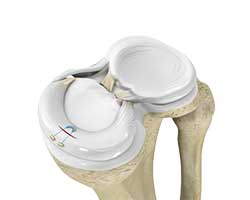
What is Anatomy of the Meniscus?
Two wedge-shaped cartilage pieces are present between the thighbone and the shinbone. These are called menisci. They stabilize the knee joint and act as shock absorbers.
What is Meniscal Repair Surgery?
Meniscus repair is an outpatient surgical procedure to repair torn knee cartilage. A variety of minimally invasive procedures are used to repair a torn meniscus, and postoperative protection is required to allow for recovery.
What is the Procedure for Meniscal Repair Surgery?
- Meniscus repair surgery is performed under general anesthesia.
- The doctor sterilizes the surgical area and makes a small incision in the knee during the procedure.
- A small tube with a camera called an arthroscope will be inserted through a small incision, which enables your surgeon to view the inside of your knee on a large screen.
- Small miniature instruments are inserted through other small incisions and the supporting structures of the knee are gently moved out of the way to access the torn meniscus.
- The torn meniscus will be pinned or sutured depending on the extent of the tear.
- The scope and instruments are removed after the repair is completed, and the incision is closed and covered with a bandage.
What Does Postoperative Care for Meniscal Repair Surgery Involve?
- You will be transferred to the recovery area where your nurse will closely observe you for any allergic/anesthetic reactions and monitor your vital signs as you recover.
- You may notice some pain, swelling, and discomfort in the knee area. Pain and anti-inflammatory medications are provided as needed.
- Antibiotics may be prescribed to address the risk of surgery-related infection.
- Keep the surgical site clean and dry. Instructions on surgical site care and bathing will be provided.
- You will be placed on crutches with instructions on restricted weight-bearing. You are encouraged to walk with assistance as frequently as possible to prevent blood clots.
- You are advised to keep your leg elevated while resting to prevent swelling and pain.
- An individualized physical therapy protocol may be designed to help strengthen your knee muscles and optimize knee function.
- A periodic follow-up appointment will be scheduled to monitor your progress.
What are the Risks and Complications of Meniscal Repair Surgery?
Meniscus repair is a relatively safe procedure; however, as with any surgery, some risks and complications may occur, such as the following:
- Infection
- Damage to nerves and blood vessels
- Blood clots or deep vein thrombosis (DVT)
- Allergic or anesthetic reactions

Jake D. Bauwens, M.D.
Orthopaedic Sports Medicine Surgeon
Dr. Jake Bauwens is an orthopaedic physician, specializing in sports medicine and sports-related injuries. Dr. Bauwens attended the University of Wisconsin-Madison to complete his Bachelors of Sciences in Biochemistry degree, and Rush University Medical College to complete his medical degree.
Why Choose Dr. Bauwens for Meniscal Repair Surgery in Glendale, Cedarburg, and Wauwatosa, WI?
Dr. Jake Bauwens is a fellowship-trained orthopaedic sports medicine specialist with advanced expertise in arthroscopic meniscal repair and other minimally invasive knee procedures. His goal is to preserve the meniscus whenever appropriate, helping patients maintain knee stability, reduce pain, and protect long-term joint function.
Patients throughout Glendale, Cedarburg, and Wauwatosa, WI choose Dr. Bauwens because of his:
- Fellowship training in sports medicine
- Expertise in arthroscopic meniscal repair
- Advanced minimally invasive surgical techniques
- Focus on preserving healthy knee cartilage whenever possible
- Comprehensive evaluation and treatment of sports-related and degenerative knee injuries
- Personalized treatment and rehabilitation plans
- Commitment to patient education and shared decision-making
- Evidence-based approach focused on restoring long-term knee health and mobility
Whether your goal is returning to competitive sports, work, or everyday activities without knee pain, Dr. Bauwens is dedicated to helping you achieve the best possible outcome.
Meniscal Repair Surgery FAQs
What is meniscal repair surgery?
Meniscal repair surgery is a minimally invasive arthroscopic procedure used to repair a torn meniscus rather than remove the damaged tissue. Preserving the meniscus helps maintain knee stability, cushioning, and long-term joint health whenever the tear is suitable for repair.
Who is a candidate for meniscal repair?
Meniscal repair is often recommended for patients with tears located in areas of the meniscus that have a good blood supply and healing potential. Dr. Bauwens will evaluate the type, size, and location of your tear, along with your age and activity level, to determine whether repair is the best treatment option.
Is meniscal repair performed arthroscopically?
Yes. Most meniscal repairs are performed using minimally invasive arthroscopic techniques through small incisions. This approach typically results in less soft tissue disruption, smaller scars, and a smoother recovery compared to traditional open surgery.
How long does meniscal repair surgery take?
Most arthroscopic meniscal repair procedures take approximately 30 to 90 minutes, depending on the complexity of the tear and whether additional knee procedures are performed.
Will I need crutches after surgery?
Yes. Most patients use crutches for a period of time after surgery to protect the repaired meniscus while it heals. Dr. Bauwens will provide specific weight-bearing instructions based on your procedure.
Will I need physical therapy?
Yes. Physical therapy is an important part of recovery and helps restore knee strength, flexibility, range of motion, and stability while protecting the healing meniscus.
How long does recovery take?
Recovery varies depending on the size and location of the tear and your rehabilitation progress. Many patients return to normal daily activities within a few months, while returning to sports may require several months of rehabilitation.
Can every meniscus tear be repaired?
No. Some tears cannot be successfully repaired due to their location, pattern, or severity. In these cases, Dr. Bauwens may recommend an alternative procedure, such as a partial meniscectomy, to relieve symptoms while preserving as much healthy meniscal tissue as possible.
Schedule a Meniscal Repair Surgery Consultation in Glendale, Cedarburg, Wauwatosa, WI
If knee pain, swelling, or locking caused by a meniscus tear is affecting your daily activities, Dr. Jake Bauwens provides advanced arthroscopic meniscal repair surgery for patients throughout Glendale, Cedarburg, Wauwatosa, WI . He offers personalized treatment plans focused on preserving knee function, relieving pain, and helping patients return to the activities they enjoy.
Contact our office today to schedule a consultation and learn whether minimally invasive meniscal repair surgery is the right treatment option for your knee injury.