Expert Knee Cartilage Restoration in Glendale, Cedarburg, Wauwatosa, WI
Damaged knee cartilage can lead to persistent pain, swelling, stiffness, and difficulty performing everyday activities or participating in sports. Because cartilage has a limited ability to heal on its own, untreated cartilage injuries may progress over time and increase the risk of developing arthritis. Dr. Jake Bauwens is a fellowship-trained orthopaedic sports medicine surgeon specializing in advanced knee cartilage restoration procedures for patients throughout Glendale, Cedarburg, Wauwatosa, WI .
Using the latest minimally invasive arthroscopic techniques and evidence-based cartilage restoration procedures, Dr. Bauwens develops personalized treatment plans to repair damaged cartilage, preserve the natural knee joint, and restore mobility. Whether your cartilage injury resulted from sports, trauma, repetitive use, or a cartilage disorder, his goal is to relieve pain, improve knee function, and help you return to an active lifestyle while protecting the long-term health of your joint.- Wauwatosa
- Glendale
- Cedarburg
- Request an Appointment
What is Nonoperative Management of Knee Arthritis?
Nonoperative management of knee arthritis, most often due to osteoarthritis, focuses on relieving pain, maintaining joint function, and slowing disease progression without surgery. It is usually the first-line treatment, particularly in early to moderate stages, and involves a combination of individualized therapies tailored to the patient’s symptoms, activity level, and overall health.
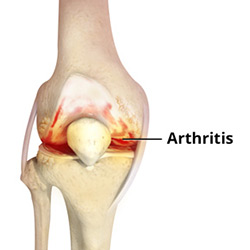
What is Knee Arthritis?
Knee arthritis is a condition where the cartilage cushioning the knee joint gradually wears down, leading to pain, stiffness, and reduced movement. The most common type is osteoarthritis, caused by age-related wear and tear. It can also result from inflammatory conditions like rheumatoid arthritis or previous injury. Over time, the joint becomes inflamed and less flexible, making activities like walking or bending difficult.
What Does Nonoperative Management of Knee Arthritis involve?
Nonoperative (conservative) management of knee arthritis typically involves the following:
Lifestyle Modification
Lifestyle modification is a cornerstone of treatment. Weight reduction significantly decreases the mechanical load on the knee joint, thereby reducing pain and slowing cartilage wear. Patients are also advised to modify daily activities by avoiding high-impact movements such as running, jumping, or prolonged standing, while incorporating joint-friendly habits into their routine.
Exercise and Physical Therapy
Exercise and physical therapy play a critical role in improving knee function. Structured rehabilitation programs focus on strengthening the quadriceps and surrounding muscles, which provide better joint support and stability. Flexibility exercises, range-of-motion training, and balance improvement techniques further help reduce stiffness and enhance mobility.
Aerobic Conditioning
Aerobic conditioning using low-impact activities such as walking, cycling, and swimming is strongly recommended. These exercises help maintain cardiovascular fitness while minimizing stress on the knee joint. Regular physical activity also contributes to weight management and overall well-being, both of which are essential in managing arthritis symptoms.
Pharmacological Treatment
Pharmacological treatment is commonly used to control pain and inflammation. Mild to moderate pain can be managed with analgesics like Paracetamol, while more significant symptoms may require nonsteroidal anti-inflammatory drugs such as Ibuprofen. Topical medications applied directly to the knee can provide localized relief with fewer systemic side effects.
Intraarticular Injection
Intraarticular injection therapies are considered when oral medications and physical therapy are insufficient. Corticosteroid injections can provide short-term relief by reducing inflammation within the joint. Hyaluronic acid injections aim to improve joint lubrication and shock absorption, while newer treatments like platelet-rich plasma (PRP) are being explored for their potential to enhance tissue healing.
Assistive Devices
Assistive devices can significantly improve function and reduce pain during daily activities. Knee braces help provide stability and redistribute load across the joint, while walking aids such as canes reduce weight-bearing stress. Proper footwear and orthotic supports also play a role in improving alignment and minimizing joint strain.
Adjunct and Alternative Therapies
Adjunct and alternative therapies may further support symptom management. Heat and cold therapy can help relieve pain and stiffness, while practices such as yoga and acupuncture may improve flexibility and overall comfort. Although these methods may not alter disease progression, they can enhance quality of life when used alongside standard treatments.
Summary
Nonoperative management of knee arthritis combines lifestyle changes, physical therapy, medications, injections, and supportive devices to control symptoms and maintain function. While it does not reverse arthritis, it can significantly improve the quality of life and delay the need for surgical intervention.
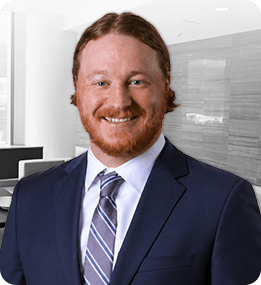
Jake D. Bauwens, M.D.
Orthopaedic Sports Medicine Surgeon
Dr. Jake Bauwens is an orthopaedic physician, specializing in sports medicine and sports-related injuries. Dr. Bauwens attended the University of Wisconsin-Madison to complete his Bachelors of Sciences in Biochemistry degree, and Rush University Medical College to complete his medical degree.
Why Choose Dr. Bauwens for Knee Cartilage Restoration in Glendale, Cedarburg, and Wauwatosa, WI?
Dr. Jake Bauwens is a fellowship-trained orthopaedic sports medicine specialist with advanced expertise in cartilage preservation and minimally invasive knee surgery. He utilizes the latest cartilage restoration techniques to treat focal cartilage defects while helping patients maintain their natural knee joint whenever possible.
Patients throughout Glendale, Cedarburg, and Wauwatosa, WI choose Dr. Bauwens because of his:
- Fellowship training in sports medicine
- Expertise in advanced cartilage restoration procedures
- Extensive experience in arthroscopic knee surgery
- Comprehensive evaluation of cartilage injuries and knee conditions
- Personalized treatment plans based on each patient's goals and activity level
- Experience treating athletes and active individuals
- Commitment to patient education and shared decision-making
- Focus on evidence-based techniques that preserve long-term knee function
His goal is to restore healthy knee function, relieve pain, and help patients safely return to work, sports, and everyday activities while preserving the natural joint whenever possible.
Knee Cartilage Restoration FAQs
What is knee cartilage restoration?
Knee cartilage restoration is a group of surgical procedures designed to repair or replace damaged articular cartilage. These procedures stimulate new cartilage growth or transplant healthy cartilage to damaged areas, helping relieve pain and improve knee function.
Who is a candidate for knee cartilage restoration?
Cartilage restoration may be recommended for patients with isolated cartilage defects caused by sports injuries, trauma, repetitive stress, or conditions such as osteochondritis dissecans (OCD). Dr. Bauwens will evaluate your knee to determine whether cartilage restoration is appropriate for your condition.
Is knee cartilage restoration performed arthroscopically?
Many cartilage restoration procedures can be performed using minimally invasive arthroscopic techniques through small incisions. Some advanced procedures may require a larger incision depending on the size and location of the cartilage defect.
What types of cartilage restoration procedures are available?
Treatment options may include microfracture, osteochondral autograft transplantation (OATS), osteochondral allograft transplantation, autologous chondrocyte implantation (ACI), drilling, or abrasion arthroplasty. Dr. Bauwens will recommend the most appropriate procedure based on your cartilage injury and overall knee health.
How long does recovery take after cartilage restoration?
Recovery depends on the specific procedure performed and the size of the cartilage defect. Many patients return to normal daily activities within one to two months, while returning to sports or high-impact activities may require four to six months or longer.
Will I need physical therapy?
Yes. Physical therapy is an essential part of recovery and helps restore knee strength, flexibility, range of motion, and stability while protecting the healing cartilage.
Can cartilage restoration help prevent arthritis?
Although cartilage restoration cannot reverse existing arthritis, treating focal cartilage defects early may help preserve joint function, reduce symptoms, and potentially delay the progression of degenerative joint disease.
Schedule a Knee Cartilage Restoration Consultation in Glendale, Cedarburg, Wauwatosa, WI
If persistent knee pain, cartilage damage, or limited mobility is affecting your quality of life, Dr. Jake Bauwens offers advanced knee cartilage restoration procedures for patients throughout Glendale, Cedarburg, Wauwatosa, WI . From comprehensive evaluation to personalized surgical treatment and rehabilitation, he is committed to helping you preserve your natural knee joint and return to the activities you enjoy.
Contact our office today to schedule a consultation and learn whether knee cartilage restoration is the right treatment option for your condition.